
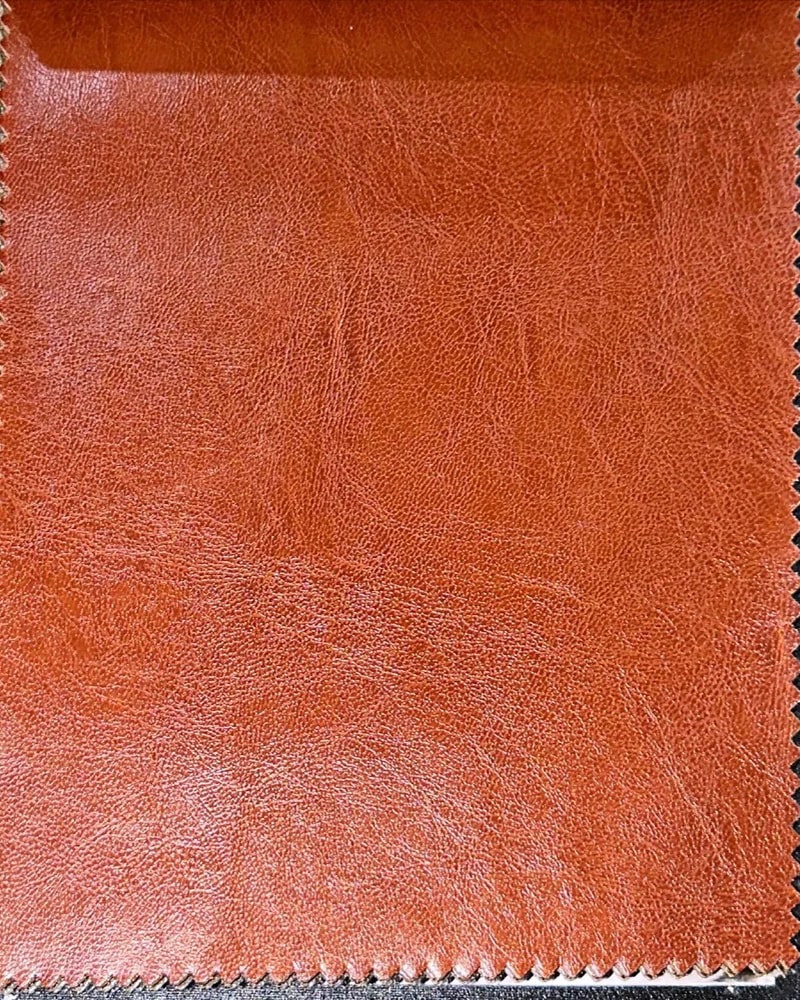
Industries require materials that can handle stress, moisture, and long usage without losing quality. Thanks to the laminated fabric manufacturers who are contributing to this requirement by developing fabrics that combine durability with protection. These fabrics are widely used across packaging, construction, and healthcare sectors in India. With improved structure and resistance, laminated fabrics help businesses maintain product safety and reduce losses caused by damage or environmental exposure. Let’s explore more on how manufacturers are improving strength and waterproofing of products with ease.
Layer bonding improves fabric strength
Strength in laminated fabrics comes from the bonding of multiple layers into a single structure. Each layer adds its own property, which together creates a material that is far stronger than ordinary fabric. This method helps prevent tearing and maintains shape even under pressure. Such construction allows products to handle rough usage, making them suitable for industrial and commercial environments where reliability matters on a daily basis.
Material combination is also essential
The overall performance of laminated fabric depends on the right mix of materials. Manufacturers carefully decide which base fabric and coating layer should be used depending on the purpose. This ensures that the final product performs well in different conditions. For example, stronger base fabrics provide stability, while outer layers help resist moisture and external damage. This balance makes laminated fabrics suitable for both light and heavy duty applications across industries.
Waterproofing helps extend product life
One of the main reasons laminated fabrics are widely used is their ability to resist water. The lamination layer acts as a barrier that prevents moisture from passing through the fabric. This helps protect the inner material and keeps products safe during storage and transport. This feature is especially useful in sectors like agriculture and logistics, where exposure to water is common and can lead to product damage if not handled properly.
Manufacturing methods ensure consistent quality
Production techniques used in laminated fabrics have improved over time, making the final output more reliable. Processes like heat bonding and coating help achieve uniform thickness and strong adhesion between layers. During this stage, laminated fabric manufacturers maintain strict quality checks to ensure that each batch performs as expected. Consistency in production reduces the chances of defects and ensures that the fabric delivers the same results in every application.
Practical use across industries
The demand for laminated fabrics continues to grow because of their durability and protective features. Many industries rely on them to improve product performance and reduce maintenance needs.
- Packaging solutions that require moisture protection
- Covers used in construction and storage
- Agricultural sheets for crop protection
- Medical and hygiene based applications
These applications show how laminated fabrics have become a reliable solution for everyday industrial needs.
Conclusion
Strong and water resistant materials are now a basic requirement across industries. Laminated fabrics meet these needs by offering durability along with protection against moisture and damage. Laminated fabric manufacturers are helpful in delivering these solutions with consistent quality and performance. Businesses looking for long lasting fabric solutions must go for brands like Shiv Shankar Industries to get materials that support practical use and long term value.